Origins in India
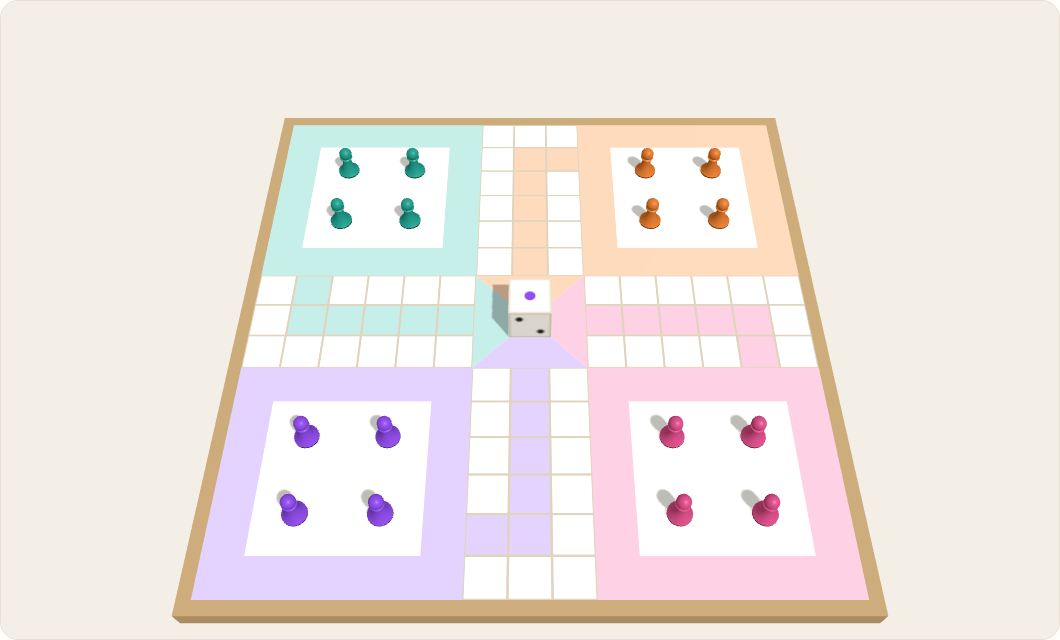
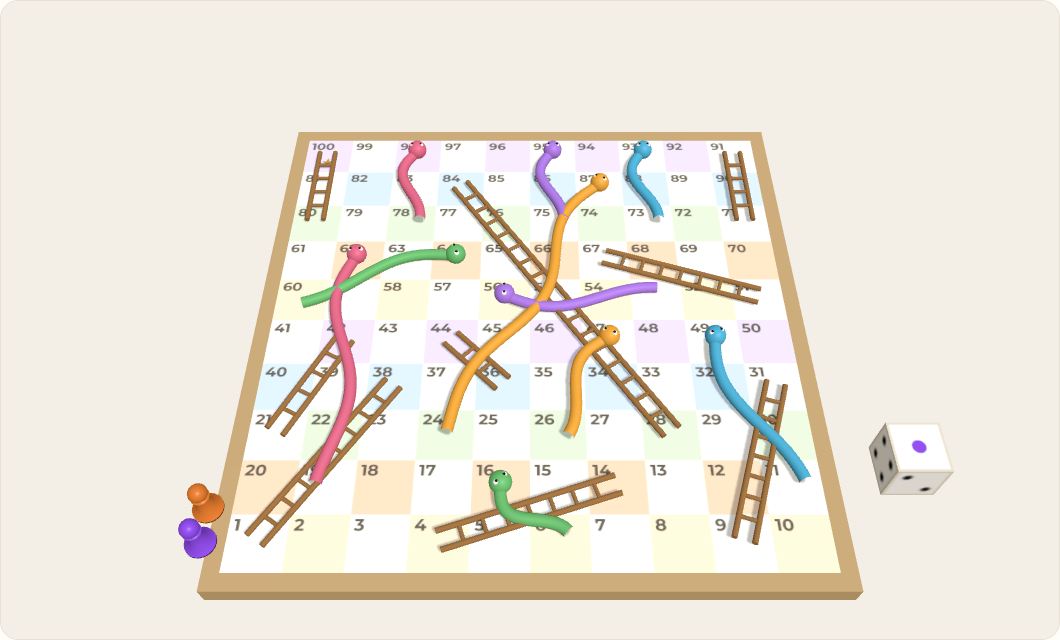
The game comes from India, where versions such as moksha patam used the board to teach about virtues and vices: ladders for good deeds, snakes for bad ones.
Around the world
It reached England in the late 19th century as Snakes and Ladders, and later the United States as Chutes and Ladders. In Iran it is mar-pele — “snake and stairs”.
Why it works for families
- No strategy is needed, so young children can play with adults on equal terms.
- It teaches counting and taking turns.
- Fortunes change quickly — the leader can slide down a snake at any moment.
A simple maths fact
Because every move is decided by the die, no choice a player makes can change the result. That makes it a nice way to talk with children about chance.
Play it on ZIBADISPLAY Snakes & Ladders.
Share this guide
Published by
ZIBADISPLAY — the entertainment reference of the ZIBADIS network, founded by Masoud Moghaddam.