Entertainment articles
Games and their history, Persian music, cinema, books, food and the technology of entertainment.
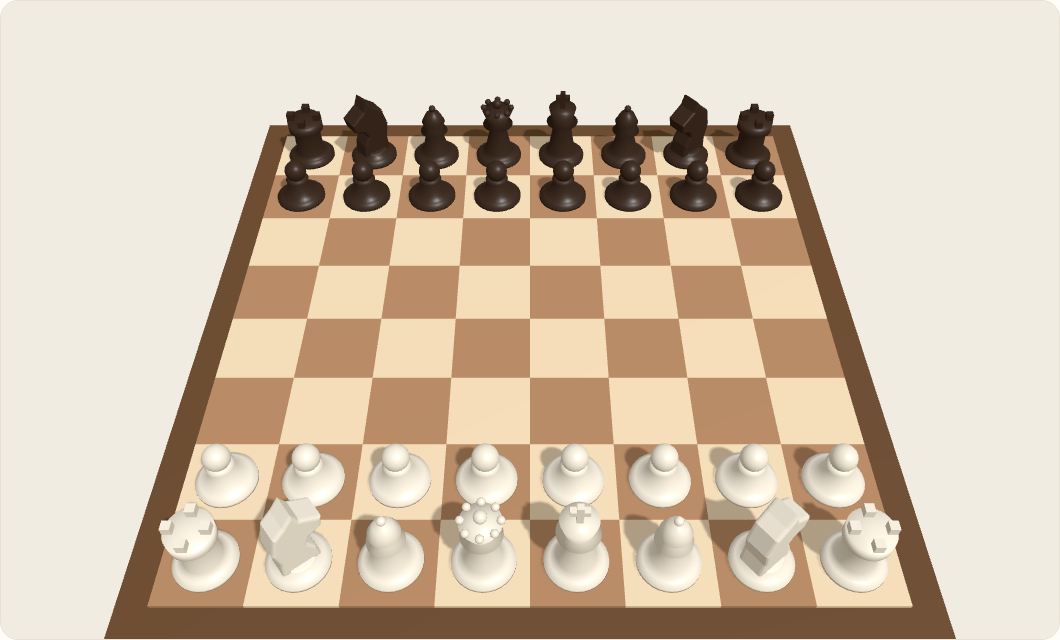
From chatrang to chess: the Persian chapter of the game
Chess is one of the oldest games still played, and Persia shaped much of it — including the words we use when a king is in danger.
Board, card, puzzle and party games — history, rules and tips.
From chatrang to chess: the Persian chapter of the game
How chess grew from Indian chaturanga to Persian chatrang and Arabic shatranj, the Persian words it still uses — shah, check and mate — and its trip west.
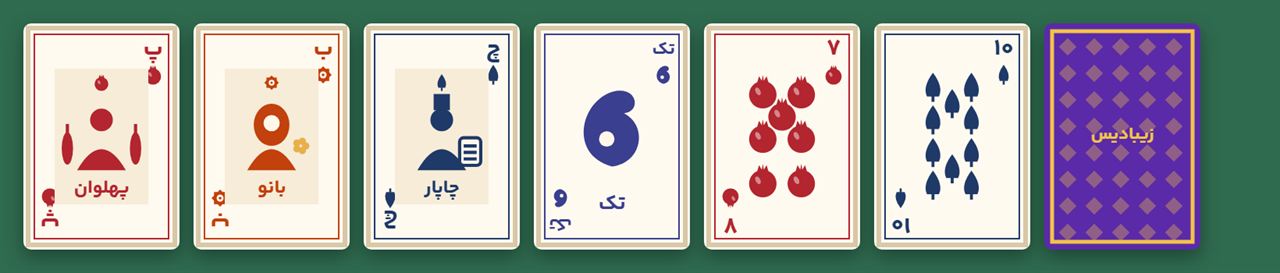
How to play Hokm, Iran's favourite card game
The rules of Hokm step by step — teams, the hakem, choosing the trump, following suit, winning tricks and kot — with tips for new players.
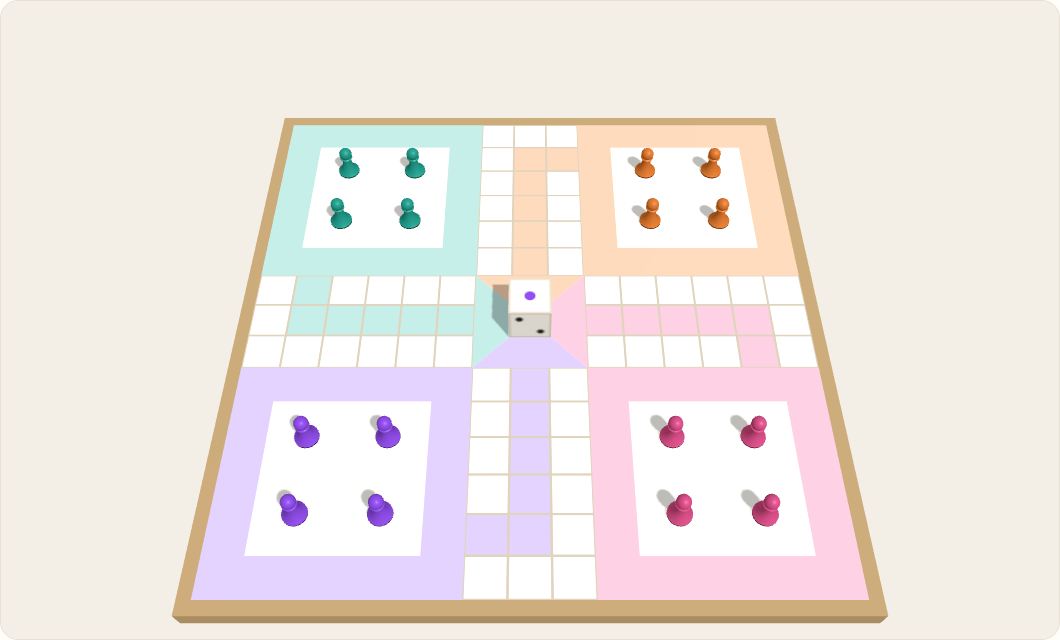
Mench: the race game with a German name and an Indian past
Where Mench comes from — India's pachisi, England's Ludo and Germany's “Mensch ärgere Dich nicht” — and simple tactics for playing well.
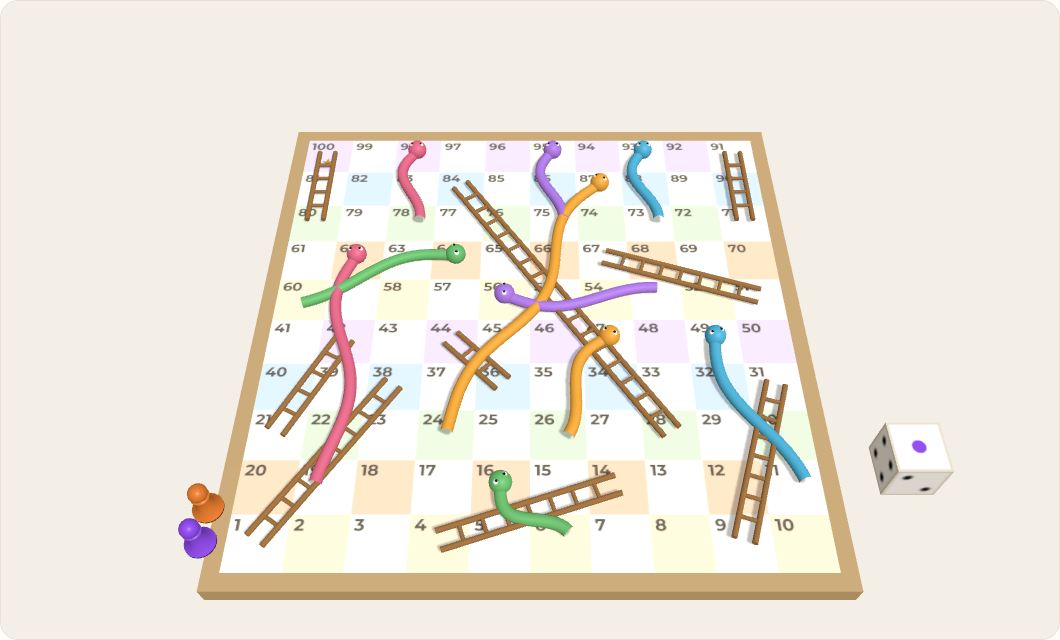
Snakes and ladders: a game of luck with a long history
Snakes and ladders began in India as a game about good and bad deeds, reached Victorian England, and became Iran's mar-pele. Its story and why children love it.

How to solve a maze: the wall-follower rule and beyond
Why keeping one hand on the wall solves many mazes, when it fails, and how computers generate mazes like the ones in ZIBADISPLAY's maze game.
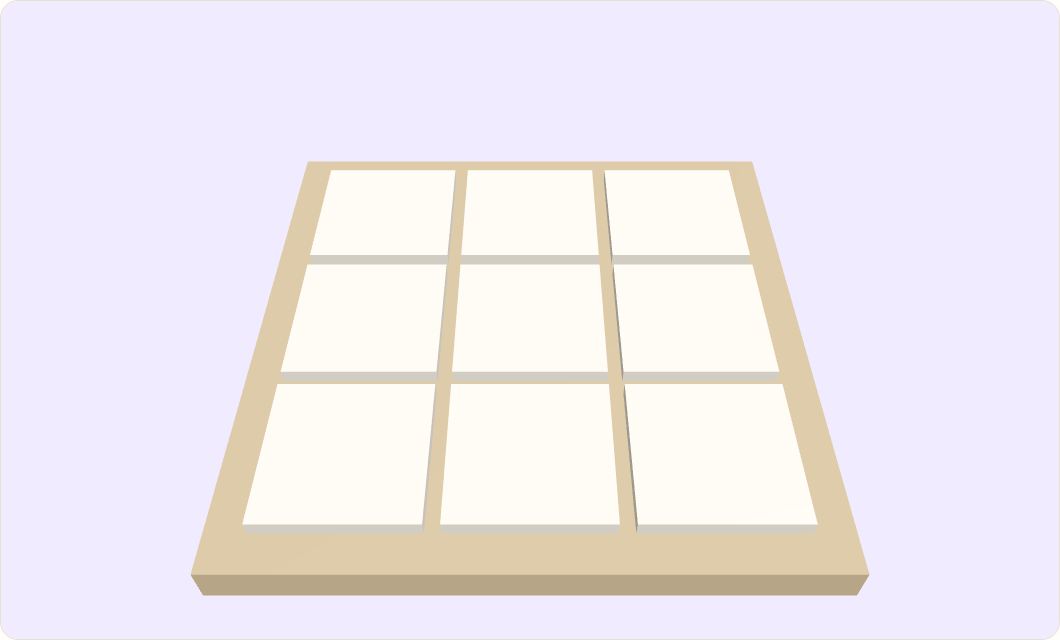
Dooz (tic-tac-toe): why perfect play always ends in a draw
The simple strategy behind tic-tac-toe — centre, corners, forks and blocks — and why two perfect players can never beat each other.
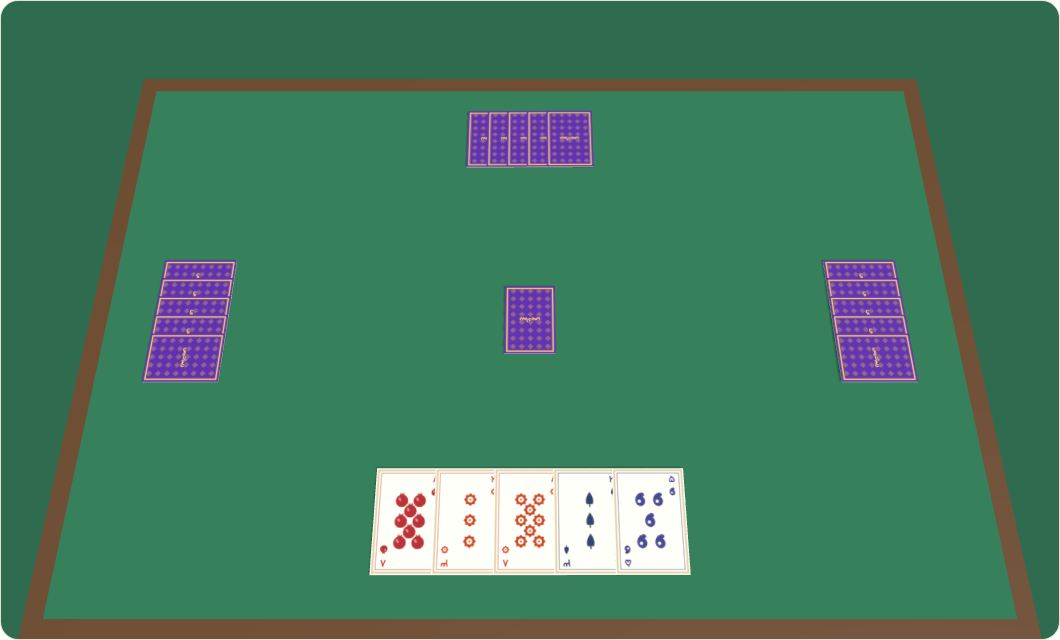
Board and card games for the whole family
What makes a game good for mixed ages, how to choose between luck and strategy games, and simple house rules that keep game night friendly.

Hosting a conversation game: Secret City and Secret Word
How to run a great round of Secret City or Secret Word: choosing a narrator, explaining roles, keeping discussion kind, and timing each round.
Persian classical music and its instruments.

Persian classical music: the radif and the dastgah system
How Persian classical music is organised — the radif, the seven dastgahs and five avaz — and how musicians improvise within them.

A guide to Persian instruments
The main instruments of Persian music — tar, setar, santur, kamancheh, ney, oud, daf and tombak — how each is played and how they sound.
Film genres and how animation works.

Film genres explained: what makes a comedy a comedy
How film genres work — the promises each one makes to its audience — from drama and comedy to documentary, animation and family films.

How animation works: frames, keyframes and the illusion of motion
How still pictures become movement — frame rates, keyframes and in-betweens — and the main techniques: hand-drawn, stop-motion and 3D computer animation.
Reading habits and Persian classics.
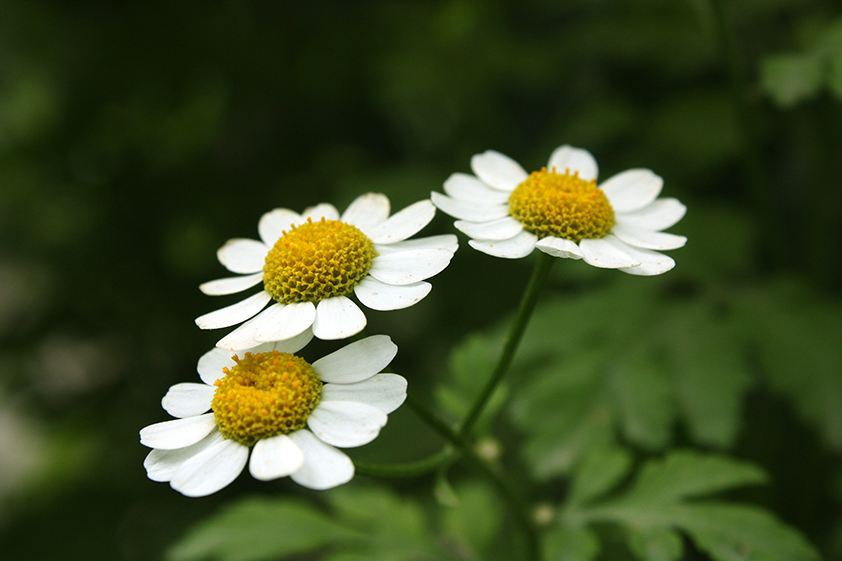
Building a reading habit that lasts
Practical ways to read more: small daily goals, choosing books you enjoy, keeping a book nearby, reading with others, and letting go of the wrong book.
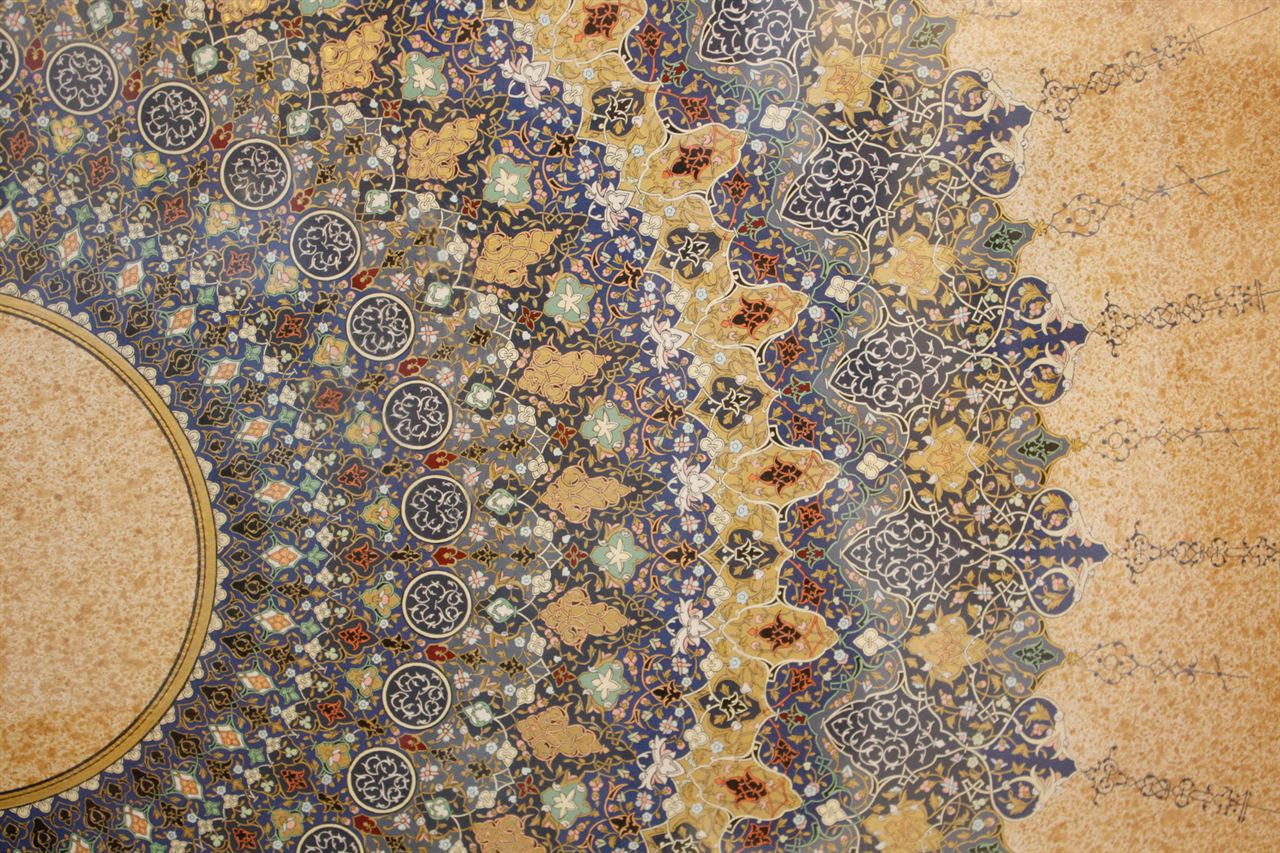
Five Persian classics worth knowing
Five landmarks of Persian literature: Ferdowsi's Shahnameh, Nezami's Khamseh, Saadi's Golestan and Bustan, Rumi's Masnavi and the Divan of Hafez.
Classic Persian dishes, step by step.
Persian steamed rice with tahdig
How to cook fluffy Persian chelow rice with a golden tahdig crust: rinsing, soaking, parboiling, steaming (dam) and a touch of saffron.

Ghormeh sabzi: Iran's herb stew
How to make ghormeh sabzi, the herb stew with kidney beans, meat and dried limes — the herbs, the long slow cooking and serving with Persian rice.
The technology behind games and entertainment.

Want to play? The ZIBADISPLAY games are free, with no sign-up.